Teaching early literacy in Spanish
using Multi-Sensory Methods

Spanish Stages of Reading

Learning to read in Spanish is an exciting journey that follows key developmental stages. Here’s a breakdown of these stages and what they look like for young learners:

Etapa 1

Pre-Reading Stage (Etapa Prelectora)

Ages: Typically 3–4 years
Focus: Exposure to sounds and letters

Teaching Beginning Sounds

Introducing letter sounds through the use of images and everyday objects.

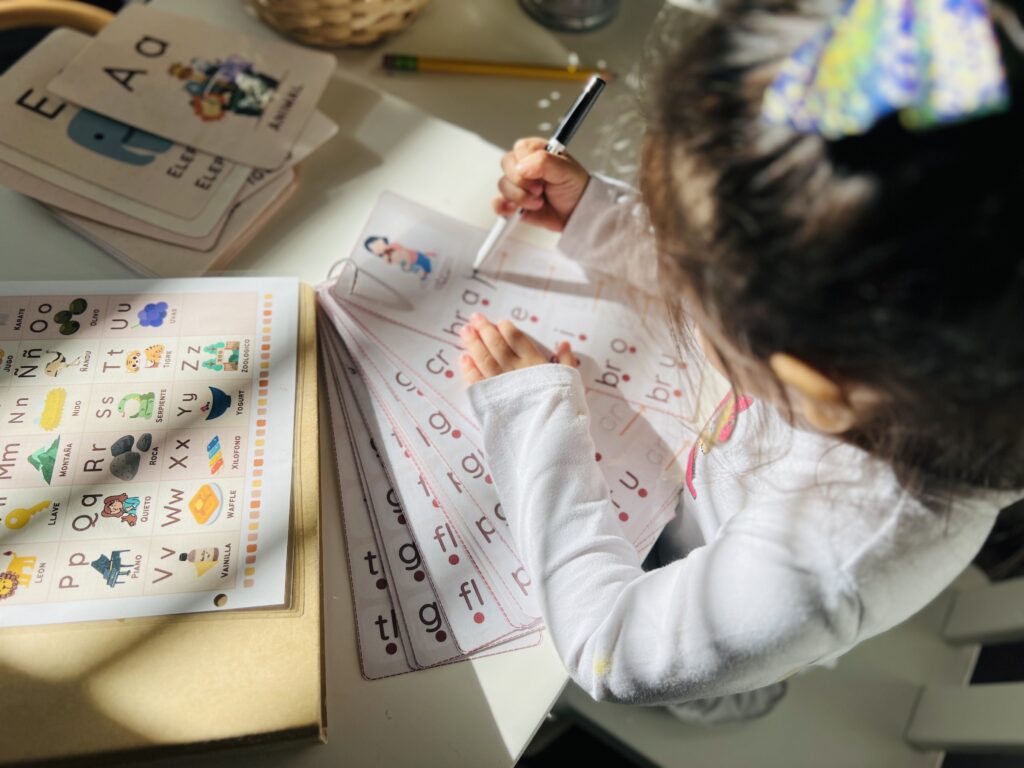
Connecting Sound to Letter

Connecting sounds to letters using flashcards and an alphabet poster.

Practicing Letter Form

Practicing letter formation through multi-sensory techniques.

Etapa 2

Decoding Stage (Etapa de Decodificación)

Ages: 5–7 years (may vary)
Focus: Connecting letters to sounds and blending them to form words.

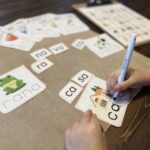
Making Syllables

Combining individual letter sounds to create meaningful sound units.

Reading Words

Combining syllables to create words and develop reading fluency.

Etapa 3

Fluency Development (Etapa de Fluidez)

6–8 years (as decoding becomes automatic)
Focus: Reading smoothly and accurately.

Reading Simple Sentence

Simple sentences with repetitive syllables that help readers develop confidence and fluency.

Reading Comprehension

Simple sentences paired with pictures to develop comprehension over text.

Etapa 4

Advanced Reading (Etapa Avanzada)

Ages: 7+ years
Focus: Developing critical thinking and advanced literacy skills.

Silabas Trabadas

Complex syllables that allows for complex reading.

Silabas Mixtas

Complex syllables that allows for complex reading.

Frases Complejas

More complex sentences that involve different types of words and comprehension.

Download your Free Parent Spanish Reading Roadmap!

Scroll to Top